

Starting a Non-Profit... Before you File the Paperwork
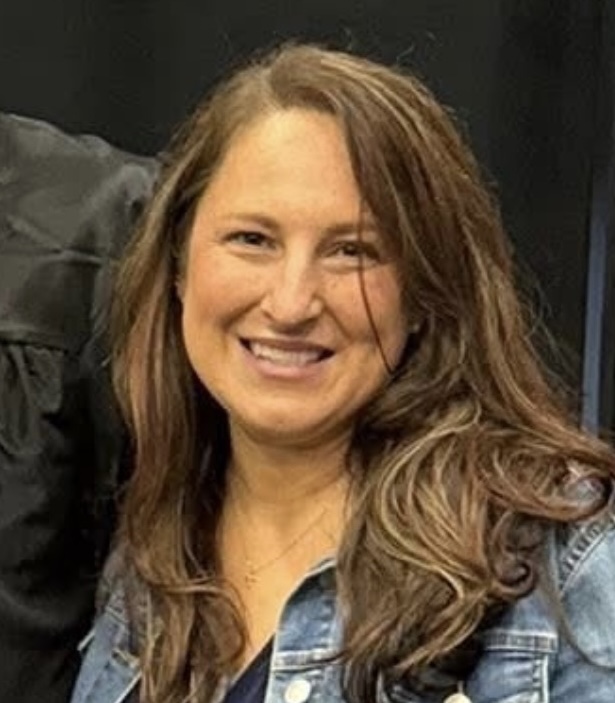
Six years ago, RiseUP Cooperative was an idea.
There was no staff. No office. No money. No big strategic plan sitting in a fancy binder somewhere telling us what to do next.
There was a need I could see, an idea for how we might help fill it, and probably an unreasonable amount of confidence that we could figure the rest out as we went.
On September 1, 2020, RiseUP Cooperative officially began.
Six years later, RiseUP has provided hundreds of workshops and reached thousands of teens and young adults throughout our community.
I learned so much along the way.
Some of it through training and education. Some from experienced people who were generous enough to teach me and allow me to glean from their knowledge. And quite a bit of it by doing some things wrong, realizing they didn't work, and figuring out a better way the next time.
Because here's the first thing I would tell anyone thinking about starting a nonprofit:
Having a good idea is the easy part. Building an organization around it is something entirely different.
Start With the Problem, Not the Organization
Before you start Googling “how to start a 501(c)(3),” ask yourself a harder question:
Does this community actually need another organization—or does it need this problem solved? Is there already an organization or group working to meet this need?
Sometimes the best answer isn't starting something new. It might be partnering with an organization already doing the work, developing a program within an existing nonprofit, volunteering, or finding another way to fill the gap.
RiseUP grew out of something I had seen repeatedly through years of working with young people and families: we were asking young people to become adults without always giving them opportunities to learn the practical skills adulthood requires.
How do you prepare for a job interview? Manage money? Communicate when you're angry? Recognize an unhealthy relationship? Handle stress? Advocate for yourself? Lead?
Schools, families, and community organizations were already doing important work. We didn't need to recreate what they were doing.
We saw a gap we thought we could help fill.
The mission came first. The organization came second.
Don't Confuse Passion With a Plan
I had plenty of passion when we started RiseUP.
Which was a really good thing, because passion got me through a surprising number of late nights, unanswered emails, rejected grant applications, events that didn't go according to plan, and moments when I found myself thinking, What in the world have I gotten myself into?
But passion doesn't create a budget. It doesn't recruit a strong board. It doesn't establish policies, evaluate outcomes, raise money, or build systems.
At some point, you have to move from “I really believe in this” to “We have built a strong foundation that is sustainable.”
And those are two very different things.
Build Systems Earlier Than You Think You Need Them
When you're starting a grassroots organization, everything feels informal.
Of course I knew the passwords. I created them.
I knew who donated. I probably asked them—or knew them personally.
I knew why a decision had been made, where the supplies were stored, what supplies we had, who our community partners were, and which person I needed to call instead of email.
And because I knew all of it, there wasn't much urgency to write it down.
But I urge you—from day one—write it down. And continue to write it down. Save everything in a well-organized shared drive where other people can actually find it.
Document processes. Create policies. Keep organized financial records. Define board responsibilities. Track relationships. Measure outcomes. Create organizational accounts instead of connecting everything to the founder personally.
Your future self will thank you.
And if you build something that lasts, someday the person who comes after you will thank you too.
Your Board Matters More Than You Think
A nonprofit board isn't supposed to be a collection of nice people who think your idea is great. I love nice people. Put some on your board!
But also put people there who are willing to govern.
You need people willing to ask difficult questions, understand finances, protect the mission, establish accountability, help raise money, and think strategically.
And founders need to understand something that can be difhard fully appreciate in atrst: The organization is not yours.
You may have created it. Named it. Built the website. Written the grants. Developed the programs. Recruited the volunteers. Carried the boxes. Stayed up too late answering emails and convinced people to believe in something that, at one point, existed mostly in your head.
But a nonprofit ultimately belongs to its mission.
I understood that six years ago. But I understand it very differently today.
We'll come back to that one later in this series.
Learn to Ask
This one took me longer than it should have.
Asking isn't “putting people out” or asking too much of them. Many people genuinely want to help. They want to give back to their community and support a mission they believe in.
But people don't automatically know what your organization needs.
They don't automatically donate because they believe in your mission. They don't automatically volunteer because they liked your Facebook post. They don't automatically introduce you to someone who could completely change the trajectory of your organization.
You have to ask.
Ask for the meeting. Ask for the donation. Ask someone to volunteer. Ask a business to sponsor the event. Ask someone to serve on the board. Ask a community partner to give your program a chance.
Ask for advice. Ask for help.
You'll hear no.
You'll also hear nothing—which, if we're being honest, can be more annoying than no. But I eventually learned something I wish I'd embraced much earlier:
The answer is always no to a question you never ask.
Don't Wait Until You Feel Ready
There was SO MUCH I didn't know when I started RiseUP.
Some I learned through training. Some I learned from other nonprofit leaders. Some I learned because I made mistakes. And some I learned because there was simply no other option except figuring it out.
Do your homework. Understand nonprofit governance, financial management, fundraising, legal requirements, and the responsibilities you're taking on.
But if you're waiting until you know everything, you'll never start.
Six years later, I still don't know everything.
I just know a whole lot more than I did on September 1, 2020.
Ask Yourself the Hardest Question Early
There is one question I wish every founder would consider from the beginning: If this works, can it eventually exist without me?
In year one, that question would have seemed almost laughable.
I wasn't worried about whether RiseUP could exist without me someday. I was trying to get RiseUP to exist at all.
But eventually, that question becomes incredibly important.
Because starting an organization isn't about creating something that needs its founder forever. It's about building something capable of carrying its mission forward.
Six years after starting RiseUP, I understand that in an entirely different way than I did in 2020.
So, if you're sitting with an idea and wondering whether you could actually turn it into something real, make sure the need is real. Make sure your mission is clear. Find people who know things you don't. Build systems earlier than you think you need them. Ask for help. Expect mistakes.
And then get to work.
Because the goal isn't simply to start a nonprofit.
The goal is to build something worth sustaining.


Comments